
Bure
Bure (ブレ) signifie littéralement « secousse » ou « tremblement » en japonais. En animation, le terme décrit un tremblement ou une instabilité indésirable dans les dessins ou les plans. Il est souvent utilisé pour transmettre un impact, une tension ou une sensation d'instabilité, comme lors d'un tremblement de terre, d'une explosion ou pour exprimer la nervosité.
Plutôt qu'un tremblement aléatoire, le bure est minutieusement rythmé et dessiné afin de créer une vibration contrôlée et régulière. Les animateurs peuvent alterner entre des dessins légèrement décalés ou réutiliser un même cellulo tout en secouant le calque de la caméra. C'est une technique économique mais expressive, couramment appliquée aux arrière-plans ou aux scènes riches en effets.
L'animateur peut soit dessiner lui-même les images nécessaires, soit laisser des indications au douga-man pour qu'il les réalise, en le mentionnant directement dans la timechart et la timesheet.
Timesheet
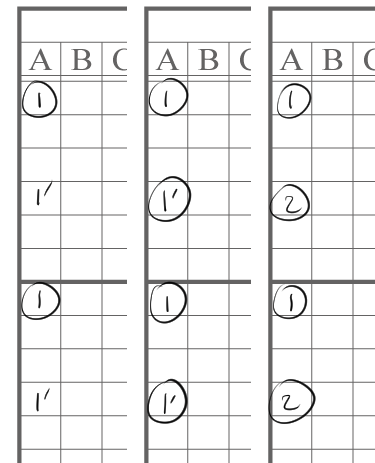
Sur la timesheet, bure est indiqué comme des entrées de frame standard.
Timechart
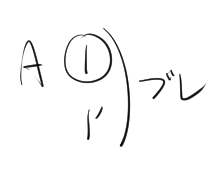
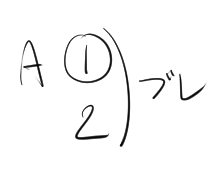
Sur le timechart, bure est généralement indiqué par un symbole prime ( ' ) ou double prime ('') symbol. Il peut aussi être noté comme une simple succession d'images, par exemple A1/A2.
bure est un outil simple mais puissant dans l'animation japonaise. Il permet aux animateurs de créer de la tension, de l'énergie et du poids émotionnel avec un minimum de dessins.